
ICAR-IIHR Showcases its diverse technologies at National Event on “Transforming Tribal India through Technology and Science” at Bharat Mandapam, New Delhi
Log in to save- Published
- 128 views
- 1 min read
Source: iihr.res.in
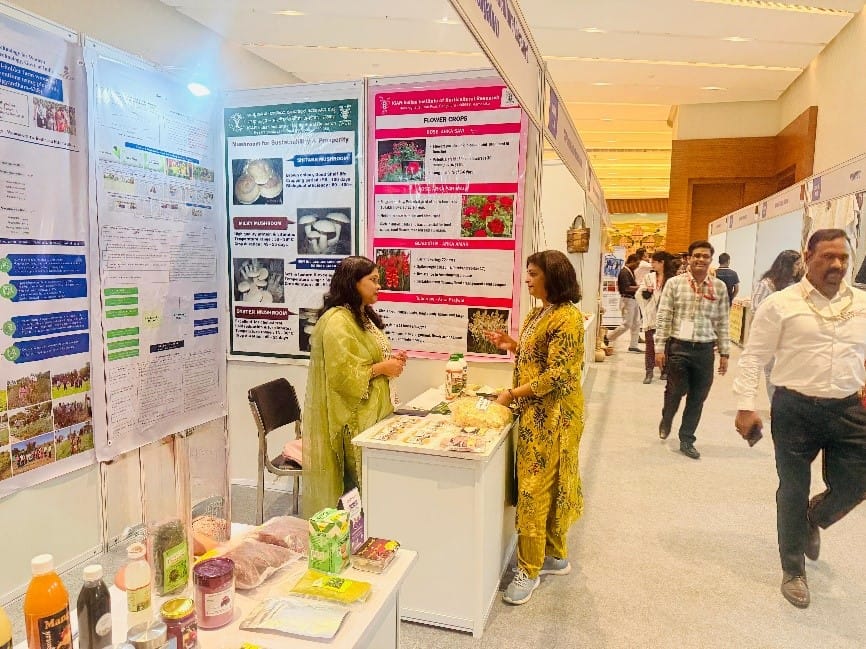
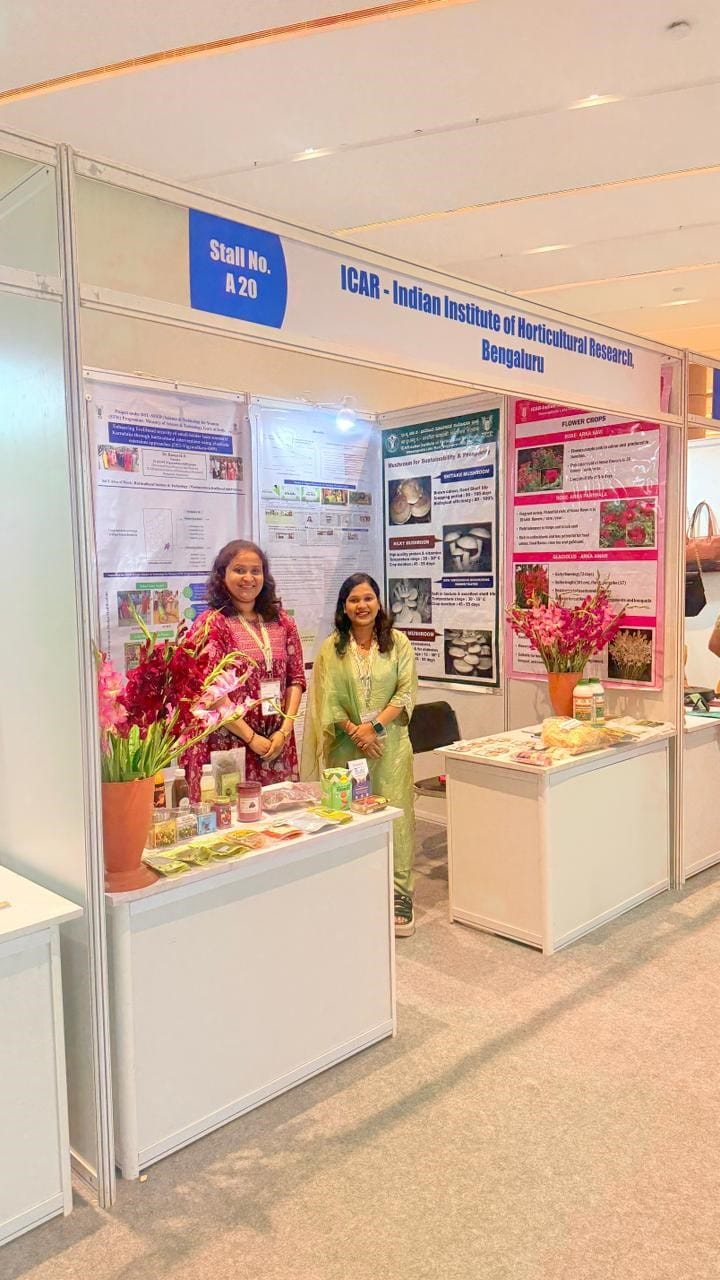
ICAR–Indian Institute of Horticultural Research (ICAR-IIHR), Bengaluru, showcased its technologies and outreach initiatives at the National Event on “Transforming Tribal India through Technology and Science” held during 12–13 April 2026 at Bharat Mandapam, New Delhi. The event was organised by the Department of Science and Technology (DST), Government of India, bringing together leading institutions to highlight science-led interventions for tribal development.
The programme was inaugurated by the Hon’ble Vice President of India, Shri C. P. Radhakrishnan, who emphasized the national importance of leveraging science and technology for inclusive and sustainable development of tribal communities.
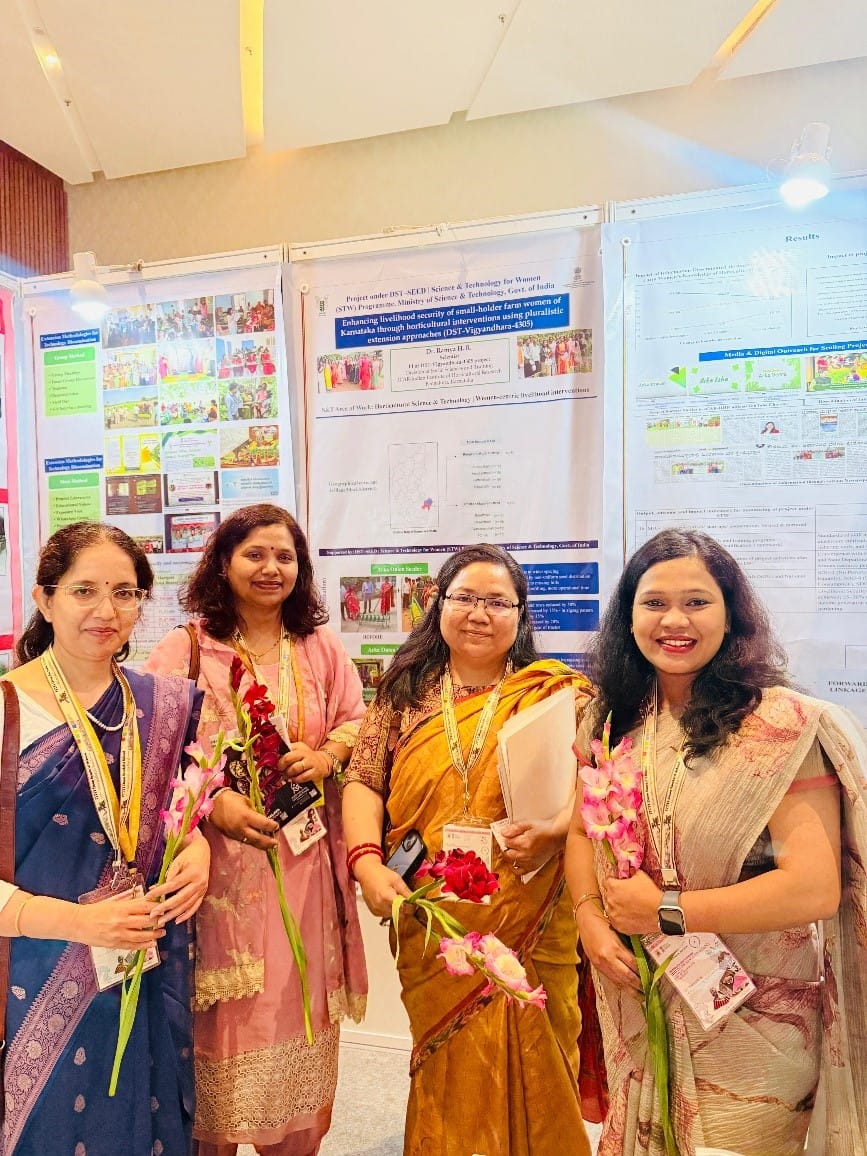
ICAR-IIHR presented its DST-funded project titled “Enhancing Livelihood Security of Smallholder Farm Women of Karnataka through Horticultural Interventions Using Pluralistic Extension Approaches” (DST-Vigyandhara-4305), led by Dr. Ramya H. R. (Principal Investigator). The project received an “Excellent” rating from the Programme Advisory Committee (PAC) and was selected for showcase at this prestigious national platform, reflecting its significant impact at the grassroots level.
The ICAR-IIHR stall attracted several dignitaries, stakeholders and media representatives, who appreciated the institute’s technologies and their role in enhancing livelihoods, reducing drudgery, value addition and promoting sustainable agricultural practices among farming communities. Dr. Ramya H. R. and the entire team were appreciated for their dedicated efforts, contributions and the successful implementation of the project.
The event featured a series of thematic sessions focusing on indigenous knowledge systems, preservation of tribal languages through technology and success stories of tribal youth. Discussions also highlighted the role of science and technology in promoting livelihoods, entrepreneurship and community empowerment, along with the importance of effective communication and policy support for tribal development.
It also served as a platform for policy dialogue and knowledge exchange aimed at fostering inclusive and sustainable development pathways.
Comments
No comments yet. Be the first to share your thoughts.
Log in to leave a comment.