
The Challenge: Mountains of Fish Waste in Our Coastal Areas
Imagine a beautiful island paradise like Lakshadweep, surrounded by pristine waters and vibrant marine life. This region thrives on fishing, producing over 21,000 tonnes of fish every year. But with such high production comes a hidden problem: a staggering 6,300 to 10,500 tonnes of fish waste annually! This waste, often dumped near landing centres and beaches, isn’t just an eyesore; it’s a serious threat to coral reefs, coastal hygiene, and public health. More importantly, it represents a huge loss of valuable nutrients that could otherwise support local agriculture and livelihoods.
A Smart Solution: Turning Waste into Gold
Recognizing this challenge as a golden opportunity, ICAR–Krishi Vigyan Kendra (KVK), Lakshadweep, teamed up with ICAR–Central Institute of Fisheries Technology (CIFT), Kochi. Together, they successfully demonstrated a sustainable and decentralized model to transform fish waste from an environmental burden into an economic and ecological asset.
The Initiative: A Dedicated Fish Waste Management Unit
On October 2, 2021, a state-of-the-art Fish Waste Management Unit was established in Lakshadweep. Equipped with shredders and mixers worth ₹3.5 lakh, this unit can process up to 500 kg of fish waste daily. This facility now converts fish waste into highly valuable products, benefiting both farmers and the environment:
- Organic Fish Manure: By composting fish waste with cocopeat and beneficial microbial cultures, they create nutrient-rich organic manure. This is a fantastic, natural fertilizer for your crops, improving soil health and reducing the need for chemical inputs.
- Fish Silage: A protein-rich liquid feed, fish silage is perfect for livestock and poultry. It can also be used as a liquid organic fertilizer, providing a powerful nutrient boost to plants.
- Poultry and Aquaculture Feed: Using nutrient-rich tuna waste, the unit produces high-quality feed for poultry and aquaculture, offering a cost-effective and nutritious alternative to commercial feeds.
Empowering Local Communities: Training and Ownership
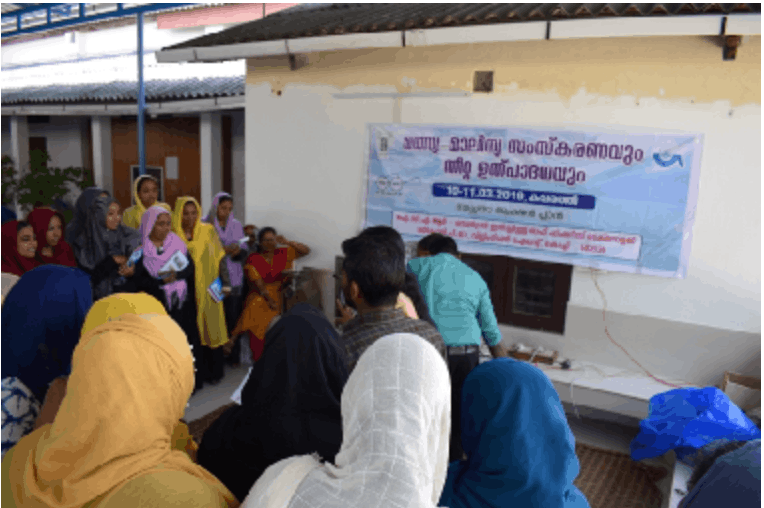
For this initiative to truly succeed, KVK–Lakshadweep focused on building strong community involvement. They organized structured training programs for a diverse group, including farmers, fishers, women Self-Help Groups (SHGs), and rural youth. These programs covered everything from scientific waste processing techniques and quality control to entrepreneurship and eco-friendly practices. Continuous support, practical demonstrations, and exposure visits helped build confidence and ensure the widespread adoption of these new methods at the grassroots level.
Real-World Impact: Numbers Speak Louder
The results of this initiative have been truly impressive, delivering clear economic, environmental, and social gains:
- Skilled Workforce: 112 beneficiaries, including members of SHGs and local entrepreneurs, received valuable training.
- New Businesses: Four women-led SHGs were incubated, each now producing approximately 2,890 kg of value-added products per month.
- Stable Incomes: These SHGs are generating an average monthly income of ₹14,450, creating stable livelihoods for families.
- Cost-Effective Feed: On-Farm Trials (OFTs) showed that fish waste-based ornamental fish feed had a Benefit–Cost ratio of 1.78, significantly higher than the 1.02 for commercial feed, proving its economic advantage.
- Cleaner Environment: There’s been a significant reduction in fish waste dumping on beaches, leading to improved coastal sanitation and public health.
- Sustainable Farming: The initiative has reduced input costs for organic farming and animal husbandry, strengthening the local circular economy and enhancing livelihood resilience in the island ecosystem.
Why This Model Matters for YOU (Farmers & Students)
The Lakshadweep success story clearly demonstrates that fish waste is not a burden but a valuable bio-resource waiting to be tapped. This model offers a replicable framework for other island territories and coastal regions across India, especially where waste disposal options are limited. For farmers, it presents an opportunity to produce your own organic fertilizers and animal feed, reducing costs and improving sustainability. For agriculture students and researchers, it highlights an innovative approach that aligns perfectly with national priorities like the Blue Economy, Swachh Bharat Mission (Clean India Campaign), and organic farming programs, contributing to a more sustainable and prosperous future for Indian agriculture.
Conclusion: A Blueprint for a Greener, Richer Future
The transformation in Lakshadweep shows us that with a little innovation and community spirit, we can turn environmental problems into economic opportunities. By integrating environmental protection with enterprise development, this model provides a powerful blueprint for how coastal communities and farmers across India can convert marine waste into wealth, fostering a healthier environment and stronger local economies.