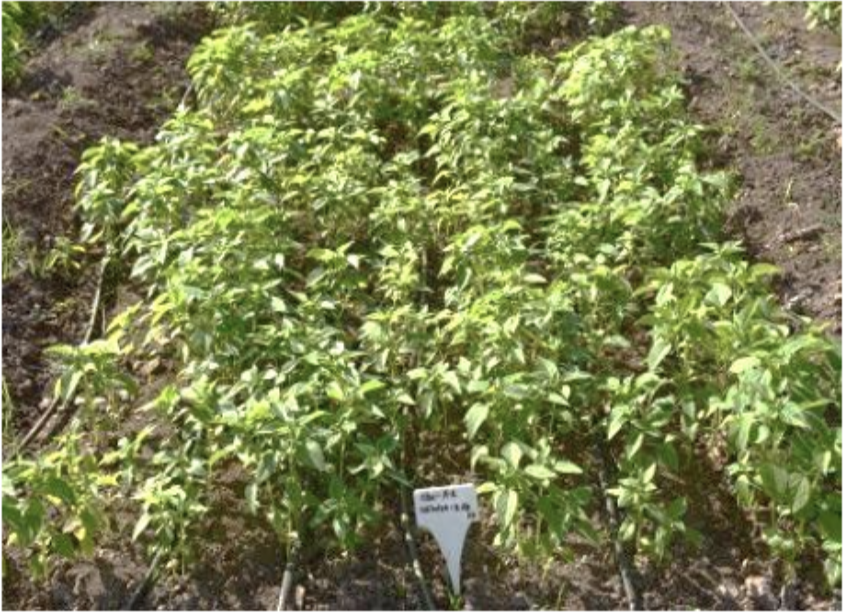
Chia is an emerging low-water-requiring crop with the potential to thrive under both rainfed and irrigated conditions. It grows well even in marginal soils such as rocky basaltic, sandy, and medium black soils with low fertility. The highly nutritious seeds of chia contain 30–32% dietary fibre and 50–55% Omega-3 fatty acids, with proven medicinal benefits in managing diabetes, obesity, and cardiovascular diseases. However, being a new crop in India, chia cultivation lacks standardized agronomic practices, leading to inconsistent yields and limiting its adoption by farmers. Recognizing this gap, ICAR- National Institute of Abiotic Stress Management, Baramati developed a comprehensive package of practices (POPs) for chia cultivation through agronomic experiments conducted from 2021to 2024.